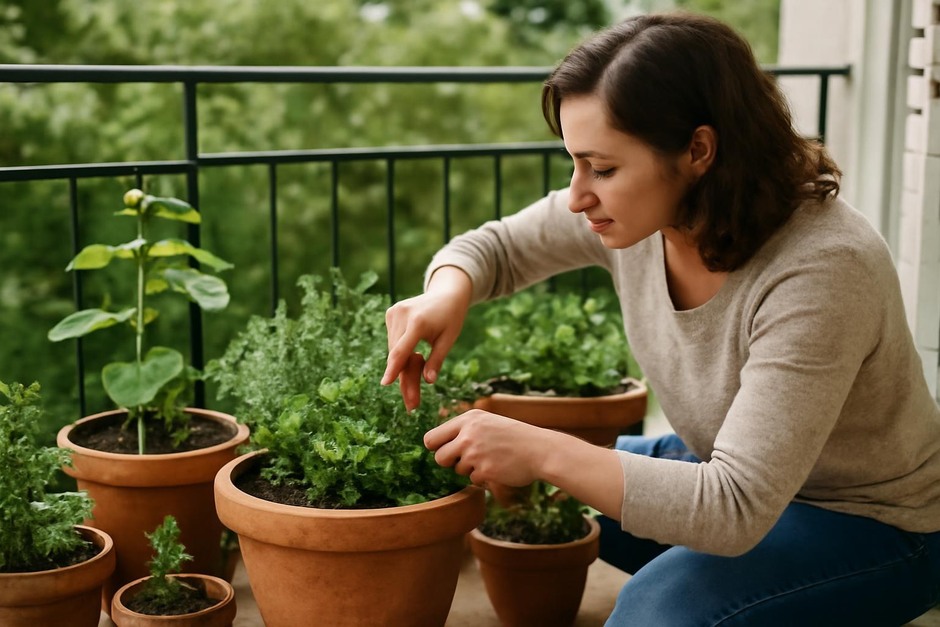
Midseason Balances: Practical Steps to Rejuvenate Balcony Containers
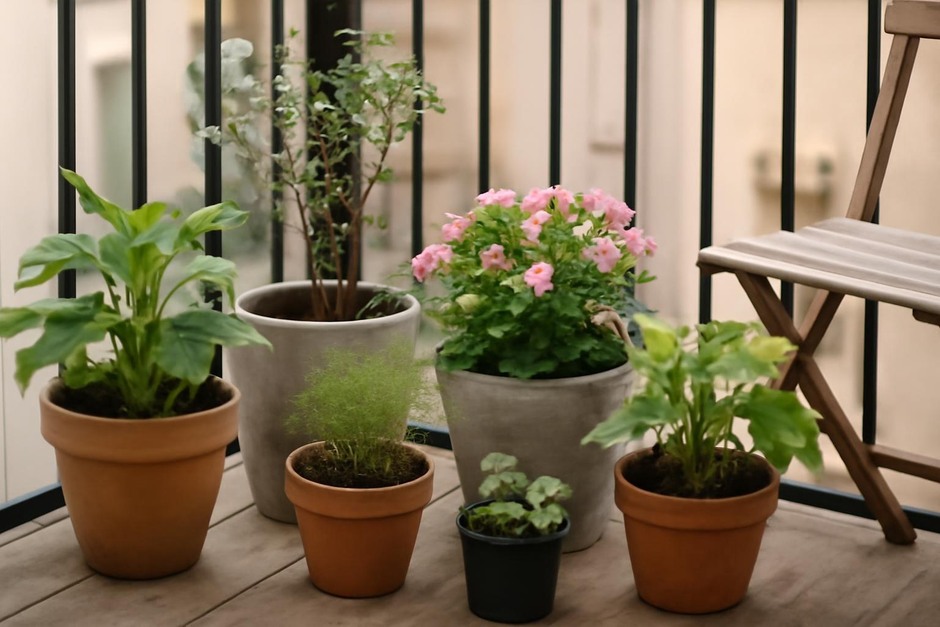
By the time late spring rolls into early summer, balcony containers often show a mix of successes and small problems: one pot bursting with growth, another looking leggy, a tray of herbs waiting for a haircut. This is a good moment for a gentle, practical reset rather than a dramatic overhaul. A short, focused check-in can rebalance light, water, and nutrients so containers carry you through the warmer months with less fuss.
1. Start with a calm assessment and simple priorities
Walk your balcony with a notebook or phone and note three things for each container: what’s thriving, what’s struggling, and which task would make the biggest difference in the next two weeks. Instead of trying to fix everything, choose one priority per container—water management, light adjustment, a trim, or a small soil refresh.
- Look for uneven growth (one side reaching toward the light), yellowing leaves, lots of spent flowers, or slowed growth despite regular watering.
- Feel the weight of pots to get a quick sense of soil moisture; lift light pots to check for dryness before deciding to water.
- Mark plants that will tolerate a light haircut or those that will resent disturbance (large shrubs or recently potted specimens).
2. Rebalance light and placement with low-effort moves
Many midseason problems come from where pots sit rather than what’s in them. Instead of moving every pot, make a few intentional swaps to equalize conditions.
- Rotate pots that always lean in one direction so all sides get a turn toward the sun—this prevents persistent legginess.
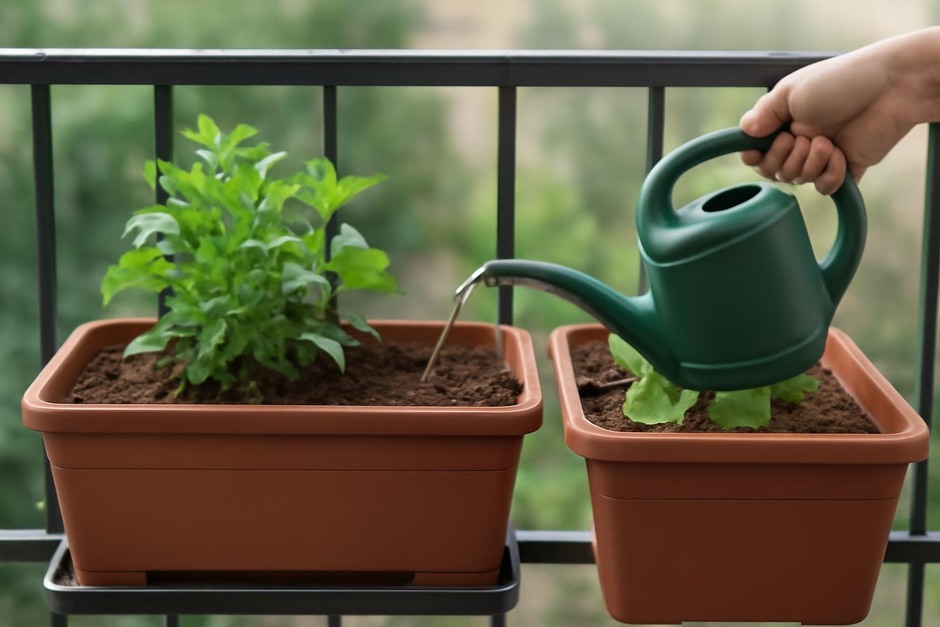
- Group thirstier plants together near a water source and place drought-tolerant pots where they’ll receive the hottest afternoon sun.
- Use taller pots or a simple stand to create layered light exposure so shade-loving plants sit below sun-lovers rather than being forced to compete.
3. Refresh soil and feeding without a full repot
Midseason is not always the time for complete repotting, but small, targeted soil work can relieve compacted mixes and give plants a gentle nutrient boost.
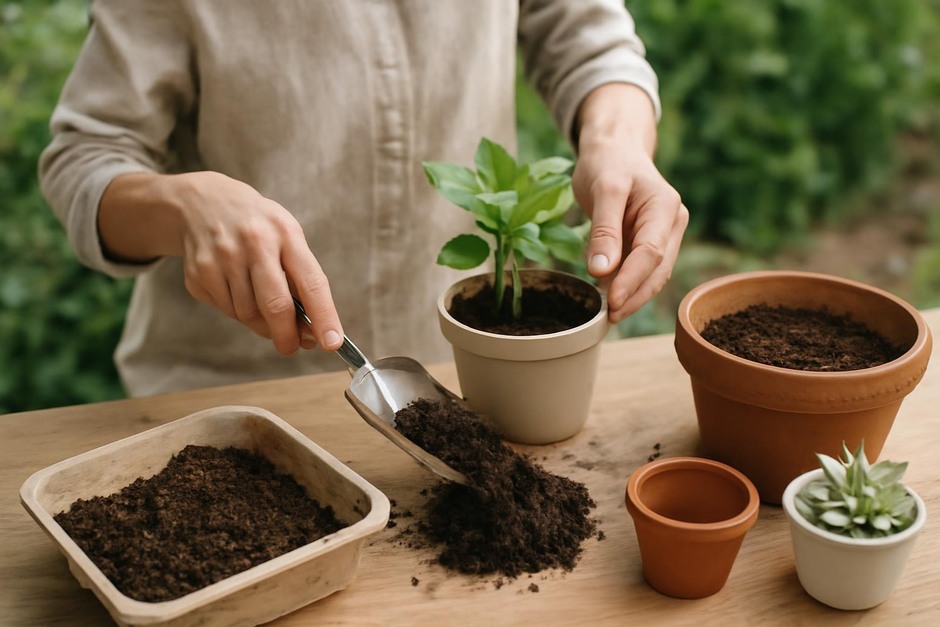
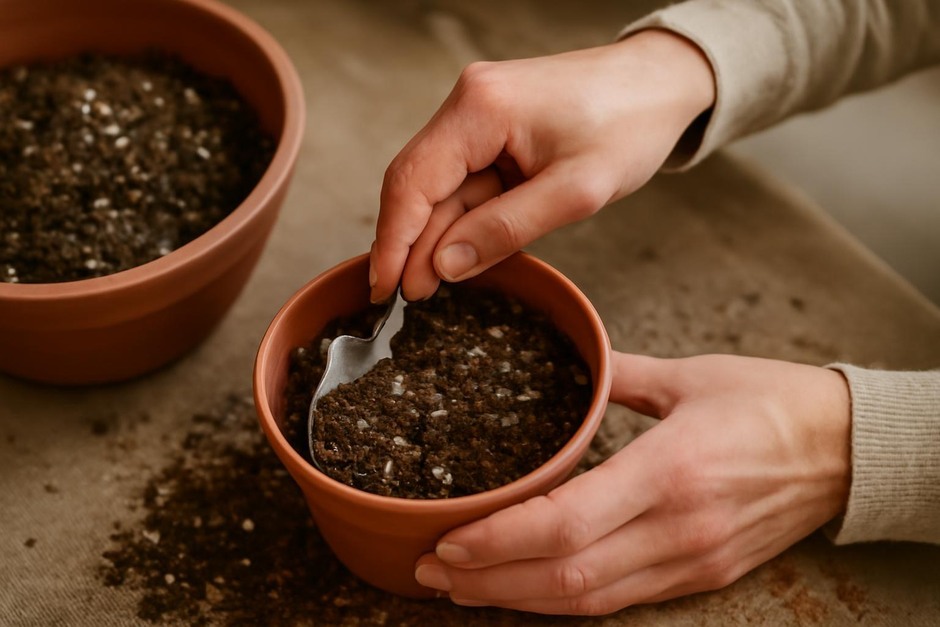
- Top-dress with fresh potting mix: scrape back the top inch or two of old mix and replace with a loose, well-draining potting mix to renew the surface where roots meet air and water.
- Choose a light, balanced liquid feed used at half the label strength for a few applications rather than heavy feeding—this avoids shocking plants and builds steady vigor.
- If drainage looks slow, consider replacing the top 2–4 inches with a grittier mix or add a small layer of clean coarse material at the bottom if you suspect clogging, but avoid disturbing roots unless necessary.
4. Prune, pinch, and make tactical swaps
Pruning and quick swaps can instantly improve the look and performance of a container garden without needing to replant everything.
- Deadhead spent flowers to redirect energy into more blooms. Pinch back lanky stems of annuals to encourage bushier growth rather than long, sparse stems.
- Trim yellowing or browned leaves and remove any diseased foliage so the plant’s energy goes to healthy tissue.
- If a plant is clearly outgrowing its pot or irretrievably leggy, do a tactical swap: replace it with a compact annual or a small perennial that fits the pot’s scale. Save healthy soil by gently shaking root-bound plants and moving them into a slightly larger pot only when they’re actively growing and you can spare the time.
Small, targeted pruning sessions—10–15 minutes per container—will often produce better-looking plants and reduce water stress, since bushier plants shade the soil and retain moisture more evenly.
Measured conclusion
A midseason check-in for balcony containers is less about radical change and more about gently rebalancing what you already have: light, soil, water, and shape. By choosing one clear priority per pot, making low-effort placement adjustments, refreshing the surface of the soil, and using simple pruning or swaps, you’ll keep containers productive and attractive through summer. These small, calm steps add up—your balcony will respond with steadier growth and fewer surprises, and you’ll spend less time troubleshooting and more time enjoying the plants.