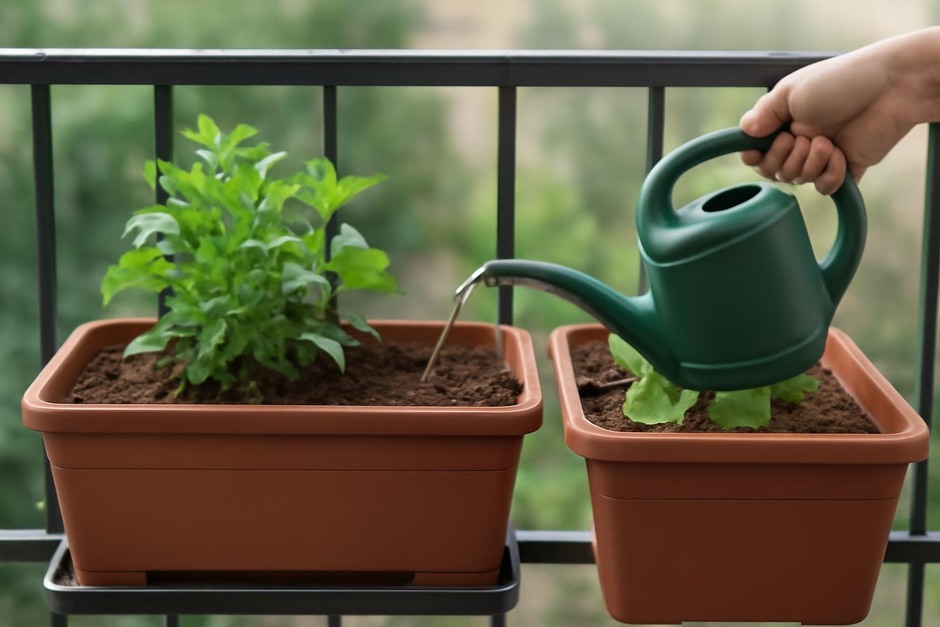
Studio Notes: Self-Watering Reservoirs vs. Daily Hand-Watering for Balcony Containers
Question
Which watering approach works better for small balcony containers: a self-watering reservoir (wicking or reservoir pots) or daily hand-watering? I set up a simple side-by-side studio test to see how each method affects soil moisture stability, plant vigor, and day-to-day effort.
Process: How I Tested It
Purposeful, small-scale tests can reveal practical trade-offs. I wanted to mimic a typical urban balcony with limited space and 2–3 medium pots. Key constraints: partial sun, moderate summer temperatures, and a mix of herbs and leafy annuals.
Setup (two approaches, repeated across three similar pots each):
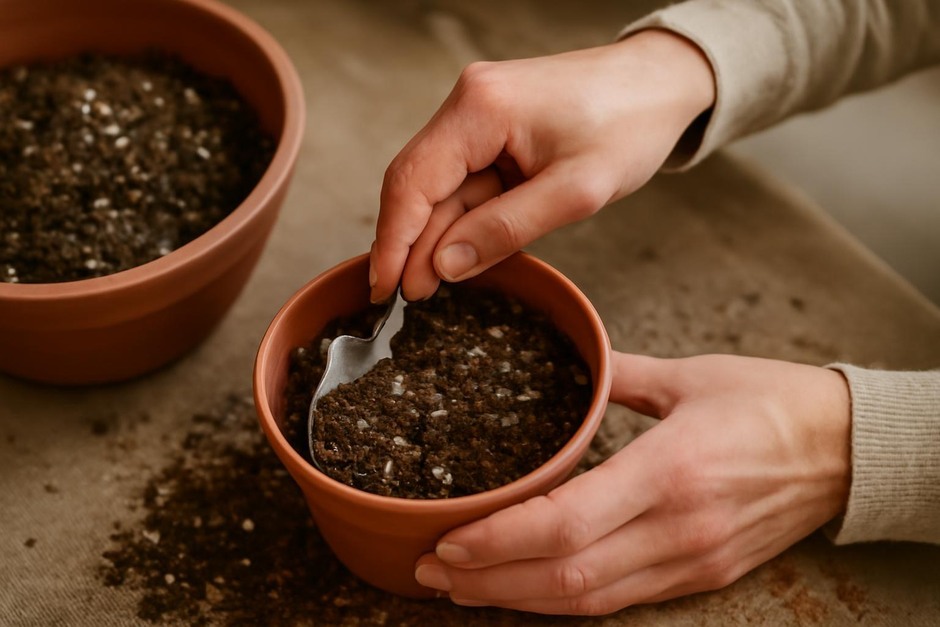
- Self-watering group: Standard plastic reservoir pots with a wicking medium. Filled reservoir weekly, used a light, free-draining potting mix with added coco coir to encourage capillary action.
- Hand-watered group: Same pot size and mix (minus extra wicking amendment). Watered from above until runoff, typically once per day in hotter weather and every other day in mild conditions.
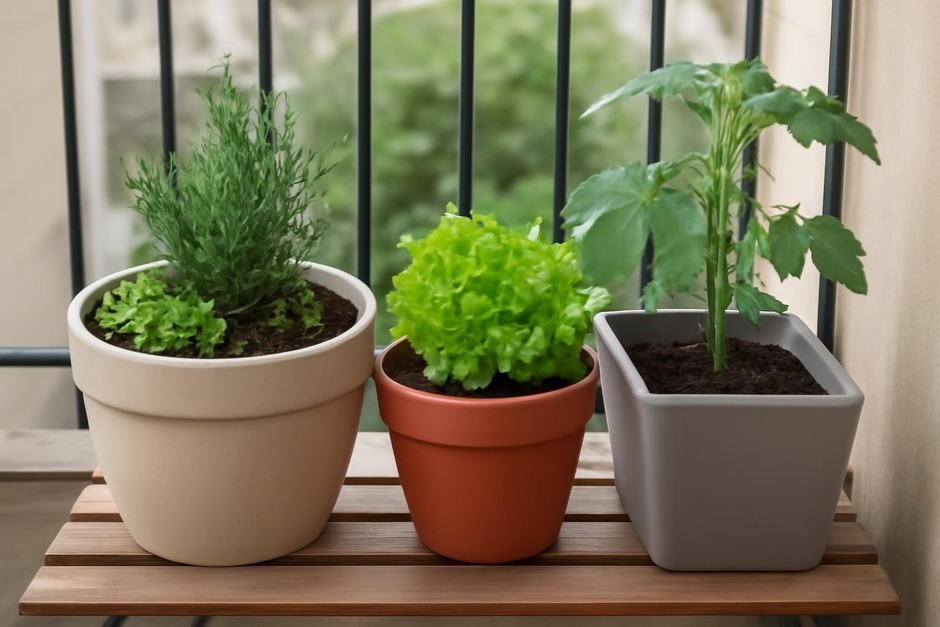
- Plants: Mixed basil, parsley, and a lettuce variety—sensible for testing shallow-rooted, commonly grown balcony crops.
- Measurements and observations: Daily soil fingertip checks (top 2 in./5 cm), weekly pot weight tests to estimate moisture retention, plant turgor and leaf color notes, and simple log of time spent watering.
What I Observed
Soil moisture stability: Self-watering pots showed far steadier moisture at root depth. Fingertip checks rarely flagged dryness; weight loss between fills was consistent and predictable. Hand-watered pots cycled visibly between quite wet and drier, especially on hot afternoons.
Plant response: Herbs in self-watering pots kept a lush, steady growth without frequent wilting. In the hand-watered pots, basil tended to show midday limp on hotter days but recovered after watering; lettuce reacted similarly but with slightly more leaf edge browning when dry spells happened.
Work and habit: Filling reservoirs took less time when done weekly, but it required checking reservoir levels. Daily hand-watering was short per session but added up in total weekly time and depended on remembering to water. I noted a psychological difference—hand-watering invites inspection and small adjustments; reservoirs encourage less frequent direct plant inspection unless problems arise.
Problems and maintenance: Self-watering pots needed occasional flushing to avoid salt buildup and to prevent stagnation near the reservoir inlet. Hand-watering required more attention to even water distribution and avoiding overwatering compacted spots.
Review: Pros and Cons
- Self-watering reservoirs
- Pros: stable root-zone moisture, reduced daily labor, predictable dry-period buffer, good for busy schedules or frequent travel.
- Cons: risk of salt accumulation, potential for over-saturation if mix and drainage aren’t appropriate, less frequent top inspection unless built into routine.
- Daily hand-watering
- Pros: full control of surface wetting, easier to flush salts with occasional deep watering, encourages regular plant checks and quick diagnoses.
- Cons: more time-intensive, larger moisture swings stress some plants, higher chance of forgetting during busy periods.
How to Choose: A Short Decision Checklist
Use this checklist to pick the approach that fits your plants, space, and routine.
- Do you travel or have an irregular schedule? Choose self-watering reservoirs for buffer and consistency.
- Are you growing moisture-sensitive or shallow-rooted herbs? Self-watering helps steady moisture but ensure your mix drains enough to avoid root rot; a trial pot first is wise.
- Do you prefer frequent inspection and hands-on care? Daily hand-watering encourages observation and quick corrections for pests or nutrient issues.
- Do you have salt-sensitive plants or high-fertilizer use? Hand-watering or periodic flushes in reservoir pots are important—if salts are a concern, favor hand-watering or plan regular reservoir flushing.
- Is your balcony very hot and exposed? Reservoirs can reduce midday stress by providing steady moisture; larger pots and shade are complementary strategies.
- Do you want lower daily time investment? Self-watering wins for total weekly time, but add a brief weekly inspection to catch issues early.
Final Notes
There’s no universally “best” method—each has clear trade-offs. For my small balcony, a hybrid approach worked well: self-watering pots for the most heat-sensitive or travel-prone crops, and hand-watering for a few observation-priority pots where I wanted to tune soil and feeding. Try one or two pots of each type, keep short notes for a month, and choose the approach that fits both your plants and your daily rhythm.